How to Stay Positive in a Stressful and Fast-Paced Life
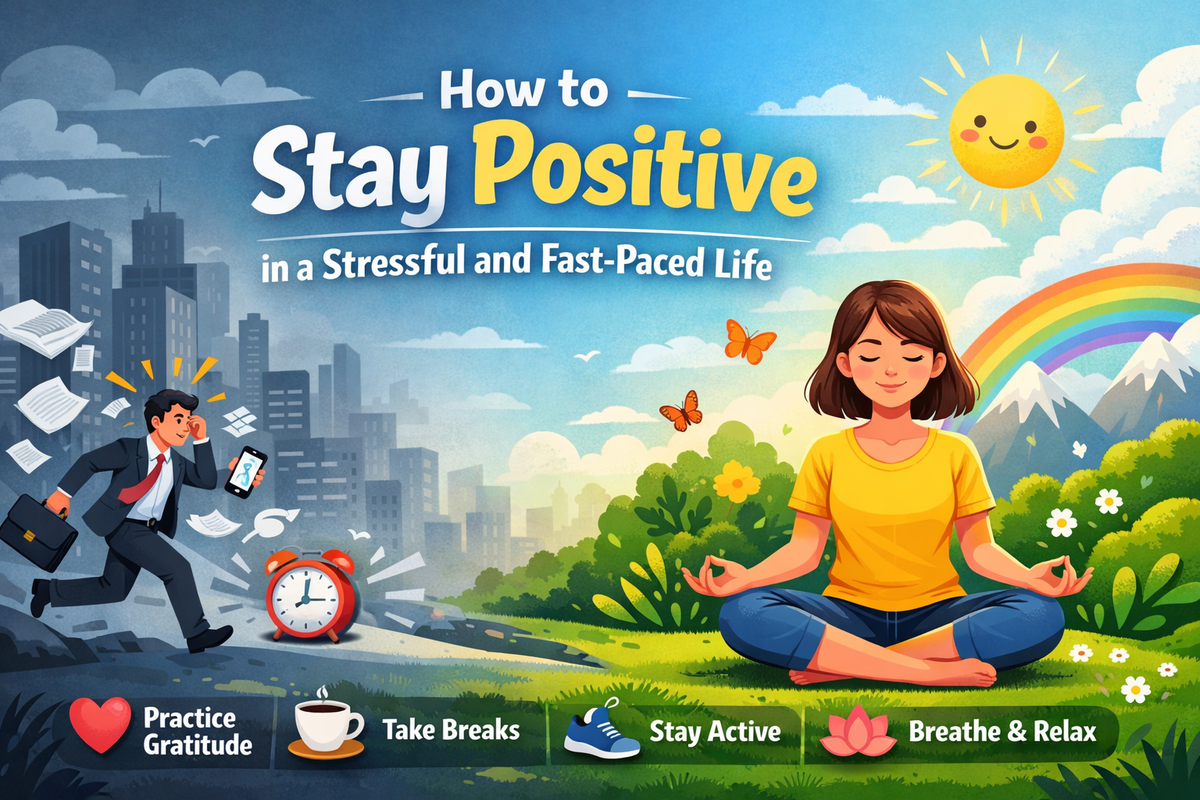
Modern life moves quickly. Deadlines, social pressures, financial concerns, and constant digital connectivity can create an overwhelming sense of stress. Many people feel like they are always running but rarely feel truly satisfied or peaceful. In this environment, keeping a positive mindset isn’t always easy. However, positivity is not just about ignoring problems; it involves developing habits and perspectives that help you handle challenges with resilience and clarity.
This article explores practical ways to stay positive, even when life feels chaotic
Understanding Positivity in a Realistic Way
Positivity does not mean pretending everything is perfect. Life naturally includes setbacks, disappointments, and uncertainty. A positive mindset means facing difficulties with the belief that solutions are possible and challenges are temporary.
People who maintain positivity tend to focus on what they can control instead of worrying excessively about what they cannot. This shift in thinking helps them respond to stress more positively.
1. Start the Day With a Clear Routine
The way you begin your day often shapes your mood and productivity. Starting the morning with intention can significantly reduce stress.
Simple morning practices may include:
- Waking up at the same time each day
- Avoiding immediate phone use
- Spending a few minutes in quiet reflection or meditation
- Planning the key tasks for the day
Even small routines help create mental stability, making it easier to approach the day with a positive mindset.
2. Limit Digital Overload
Constant notifications, social media updates, and news cycles can create mental fatigue. Many people unknowingly expose themselves to large amounts of negative or stressful information throughout the day.
To reduce digital stress:
- Turn off non-essential notifications
- Schedule specific times to check social media
- Avoid excessive news consumption
- Take regular breaks from screens
Reducing digital clutter allows your mind to stay calmer and more focused.
3. Focus on Physical Well-Being
Physical health strongly influences mental health. When the body is tired or neglected, stress and negativity tend to increase.
Key habits that support positivity include:
- Regular exercise
- Balanced nutrition
- Adequate sleep
- Staying hydrated
Even light physical activity, like walking for 20 to 30 minutes a day, can significantly improve mood and reduce stress hormones.
4. Practice Gratitude
Gratitude is one of the simplest yet most powerful mental habits. It shifts your focus away from problems and toward what is already working in your life.
You can build gratitude by:
- Writing down three things you are thankful for each day
- Acknowledging small achievements
- Appreciating supportive people in your life
Over time, gratitude trains the mind to recognize positive aspects even during tough times.
5. Surround Yourself With Positive Influences
The people and environments around you play a major role in shaping your mindset. Spending time with supportive individuals encourages motivation and optimism.
Try to:
- Build relationships with encouraging and constructive people
- Limit time with individuals who constantly spread negativity
- Participate in communities that share your interests or goals
Positive environments reinforce healthy thinking patterns.
6. Accept That Stress Is Part of Life
Trying to eliminate stress completely is unrealistic. Instead, learning how to manage it effectively is more important.
Stress can even be beneficial when it drives growth or helps you improve your skills. The key is to prevent it from becoming overwhelming by maintaining balance, taking breaks, and practicing self-care.
7. Set Realistic Goals
Unrealistic expectations often lead to frustration and burnout. Setting achievable goals helps maintain motivation and provides a sense of progress.
Break large goals into smaller steps. Each completed step creates momentum and confidence, which strengthens positivity.
8. Learn to Pause and Reflect
In a fast-paced life, people rarely give themselves time to pause. Reflection helps you understand your emotions and decisions better.
Simple practices include:
- Journaling thoughts and experiences
- Taking quiet time to think without distractions
- Practicing mindfulness or breathing exercises
These moments of reflection help reset the mind and reduce emotional pressure.
Conclusion
Staying positive in a stressful and fast-paced life is not about ignoring difficulties. It is about building habits that strengthen resilience, clarity, and emotional balance. By managing digital distractions, maintaining physical health, practicing gratitude, and surrounding yourself with supportive people, it becomes easier to keep a constructive outlook.
Life will always present challenges, but with the right mindset and daily habits, it is possible to navigate them with confidence and optimism.
Frequently Asked Questions
Why is it difficult to stay positive in modern life?
Modern lifestyles often involve high workloads, constant connectivity, and social comparison through digital platforms. These factors can increase mental pressure and reduce emotional balance.
Can positivity reduce stress?
Yes. A positive mindset helps individuals approach problems calmly and focus on solutions instead of feeling overwhelmed by difficulties.
How long does it take to develop a positive mindset?
Developing positivity is a gradual process. Consistent habits such as gratitude, healthy routines, and mindful reflection can lead to noticeable changes over time.